
Playing at an online casino from New Zealand is legal right now, but not in the way most comparison pages suggest. No operator holds a New Zealand licence, because none has been issued yet. The market is in a transition that ends on 1 December 2026, and the auction that decides who may even apply begins on 29 September 2026.
That changes what a page like this can honestly do. We cannot rank operators by a New Zealand licence that does not exist. What we can do is show you what is verifiable today, what our own tests recorded, and how to check any operator yourself in about five minutes. This page was last checked on 24 September 2026.
Where this site shows a comparison table, it lists operators and the offers as those operators state them. It is a list, not our ranking. A score appears only where a recorded test produced one, and so far that is two brands, both further down this page. Read the five minute check below before you act on any row of it.
Where the market stands today
The Online Casino Gambling Act 2026 came into force on 1 May 2026. The Department of Internal Affairs (DIA) is introducing licensing in stages, and the licensed market is not expected to be fully operational until 2027. Until then, four different things get called “licensed” and they are not the same.
| Status | What it means | Who has it today |
|---|---|---|
| Reachable from New Zealand | The site loads and takes NZD. Nothing more. | Many operators |
| Transitional market provider | Was based offshore and already serving New Zealand customers on 1 May 2026, so may continue until 1 December 2026. | A limited group, and no public list exists |
| Has applied for a New Zealand licence | Lodged an application after winning the right to apply. | Applications open in October 2026 |
| Holds a New Zealand licence | Licensed by DIA to offer online casino gambling here. | Nobody |
DIA states that it is legal for New Zealanders to gamble with transitional market providers, while warning that until the licensed market exists this remains an unregulated activity with no guarantees of player safety. Both halves of that sentence matter. You are not breaking the law by playing. You also have none of the protections that a licence is supposed to provide.
One practical consequence is worth keeping. An operator that only started taking New Zealand players after 1 May 2026 has no transitional right at all. In this market, a brand new casino is not a neutral thing.
The timeline that decides everything
| Date | What happens |
|---|---|
| 1 May 2026 | Act in force. Advertising of unlicensed online casino gambling prohibited. New offshore entrants may no longer start serving New Zealand. |
| 17 July to 14 August 2026 | Expression of interest stage. Fee NZD 19,000 per brand, and applicants had to show at least NZD 7.5 million in capital. |
| 29 September 2026 | Auction begins, in an ascending clock format over multiple rounds. |
| October 2026 | Successful bidders invited to make full licence applications. |
| 1 December 2026 | Applications due. Any provider that has not applied must stop offering online casino gambling in New Zealand. |
| First half of 2027 | First licences expected. A licensed operator may begin advertising, with restrictions, only once its licence is granted. |
| 1 June 2027 | Backstop. An applicant may keep operating only until its decision, or this date, whichever is earlier. |
Up to 15 licences will be issued, each tied to a single brand, for a term of up to three years with one renewal of up to five further years. No single entity may hold significant influence over more than three of them. DIA has said it will not publish who is taking part, to protect the integrity of the auction, so treat any claim that a particular brand is “applying” as reporting rather than fact.

What an overseas licence tells you, and what it does not
Every operator taking New Zealand players today runs on a licence issued somewhere else. The three you will meet most often are Malta, Kahnawake and Curacao. They differ in how much you can check and how much recourse you have, and none of them is a New Zealand licence.
A Malta licence is the easiest to verify, because the Malta Gaming Authority publishes a dynamic seal that names the licensee, its registered address, the licence number, the approved game types and the exact list of websites the licence covers. If a site shows a Malta badge that does not link to that seal, or the seal does not list the domain you are on, that is the end of the check.
Consider the example that catches most people. SkyCity is a New Zealand listed company that runs land based casinos in Auckland, Hamilton and Queenstown. Its online casino is a different thing: the licensee is Silvereye Entertainment Limited, registered in St Julian’s, Malta, holding MGA/B2C/880/2021. A familiar New Zealand name on the door does not put a New Zealand licence behind it. That is not a criticism of the operator. It is the single most common misreading in this market.
The other half of this is simpler. A licence, wherever it is from, is a statement about permission and oversight. It is not evidence that withdrawals are quick, that support is useful, that the lobby works on your phone or that a bonus is worth taking. We score those separately, and only from what we actually observed. Our review method explains how.
Seven casinos, one company, one licence
Here is something you cannot see from a comparison table. On 24 September 2026 we read the footers of seven casinos that present themselves to players as separate brands. All seven carry the same sentence.
| Brand | Operator | Licence |
|---|---|---|
| Jackpot City | Baytree Interactive Ltd (69691), Guernsey | Kahnawake 01059 |
| Spin Casino | Baytree Interactive Ltd (69691), Guernsey | Kahnawake 01059 |
| Ruby Fortune | Baytree Interactive Ltd (69691), Guernsey | Kahnawake 01059 |
| Royal Vegas | Baytree Interactive Ltd (69691), Guernsey | Kahnawake 01059 |
| Gaming Club | Baytree Interactive Ltd (69691), Guernsey | Kahnawake 01059 |
| Platinum Play | Baytree Interactive Ltd (69691), Guernsey | Kahnawake 01059 |
| Lucky Nugget | Baytree Interactive Ltd (69691), Guernsey | Kahnawake 01059 |
One Guernsey company, one licence number, issued 26 August 2026. If you opened accounts at three of these to avoid keeping all your money in one place, you did not spread anything. The same company holds the balance, the same complaints process applies and the same licence covers all of it. None of the seven sites mentions the other six.
This is not unique to that group. Malta corporate group licences work the same way: the seal for LeoVegas Gaming plc, MGA/CRP/237/2013, lists leovegas.com alongside expekt.com, royalpanda.com and gogocasino.com. The lesson is the same. Read the footer, not the logo.
How to check an operator yourself
This takes about five minutes and it is the most useful thing on this page.
- Scroll to the footer and find a company name. You are looking for a legal entity and, ideally, a company number and a registered address. If a site does not name the company that holds your money, stop there.
- Find the licence number and the regulator. It should be on the same line. “Licensed and regulated” with no number and no regulator is not a licence statement.
- Verify it on the regulator’s own site, not the casino’s. For Malta, click the seal and check it opens on authorisation.mga.org.mt. Confirm the licensee name matches the footer, the status reads Licensed, and the site you are on appears in the list of website URLs.
- Check who else is on that licence. The Malta seal lists every domain covered. For other regulators, search the licence number and see which brands return.
- Look for the dispute route. A Malta seal names an approved alternative dispute resolution body. That is who you go to when the operator says no. If there is no named route, your only recourse is the operator itself.
- Open the terms and find the restricted territories list before you deposit, not after a withdrawal is refused.
- Find the account controls before you need them. Deposit limit, loss limit, time out and self exclusion. If you cannot find them in under a minute while calm, you will not find them later.
What our own tests recorded
We ran two full deposit and withdrawal tests in September 2026. Both used a Visa debit card, Windows 11 and Chrome 140, with mobile checks on an iPhone 13. Both sites paid out in full. The difference was in how long it took and what was disclosed along the way.

| What we measured | SkyCity Online Casino | Jackpot City |
|---|---|---|
| Age check at sign up | Rejected an under 18 date of birth | Rejected an under 18 date of birth |
| When ID was requested | At the withdrawal, not at sign up | At the withdrawal, plus proof of address |
| Document review | 3 hours 20 minutes | 21 hours |
| Request to money arriving | About 23 hours, split across two methods | About 50 hours |
| Deposit limit we set | Applied immediately and blocked the next deposit | Applied immediately |
| Support response | 6 minutes, answer matched the terms | 14 minutes and two questions to get a direct answer |
| Scores | Safety 4, Games 4, Bonuses Not tested, Banking 4 | Safety 3, Games 4, Bonuses 2, Banking 3 |
Two details are worth pulling out. At SkyCity, the payout of NZD 120 could not all go back to the card: the deposited amount returned to the Visa debit card and the rest needed a second method, which was not explained anywhere before we asked for the money. At Jackpot City we read the welcome offer terms rather than playing them through. The wagering requirement was 70 times the bonus, which on a NZD 50 bonus means NZD 3,500 staked before anything from it can be withdrawn, and live dealer games were excluded entirely without that appearing on the promotion page.
Neither result says anything about the other brands on this page. Where we have not tested a category, we mark it Not tested and publish no score for it.
What changes once licences are granted
The Online Casino Gambling Regulations 2026 apply in full to licensed operators. Transitional providers are bound by the Act but not by the Regulations covering harm prevention, consumer protection and advertising, so several of the rules below do not apply to anything you can play today. That gap is the clearest reason to be careful during the transition.
- Age 18. An operator must be satisfied the customer is who they say they are and is at least 18.
- No credit. Payment methods reasonably detectable as involving credit contracts are prohibited, which DIA confirms means credit cards and buy now pay later. Debit is unaffected, and credit features invisible to the operator, such as an overdraft on your own bank account, fall outside the rule.
- No autoplay.
- Mandatory player limits. Time, deposit and spend limits, plus self exclusion tools.
- A centralised self exclusion register does not exist yet. Regulations for one are to be recommended by 1 December 2027. Until then, excluding yourself at one operator does nothing at the next.
- Duty of 16 percent on online gambling profits, with 4 percent ring fenced by the Government for community funding.
- Advertising stays banned until a licence is granted, and then carries mandatory harm minimisation messaging and restrictions on bonuses and inducements.
Paying in and getting paid out
Accounts aimed at New Zealand players hold balances in NZD, which avoids a conversion on the way in and another on the way out. Check this before depositing, because a site that accepts you in another currency will charge you twice for the privilege.
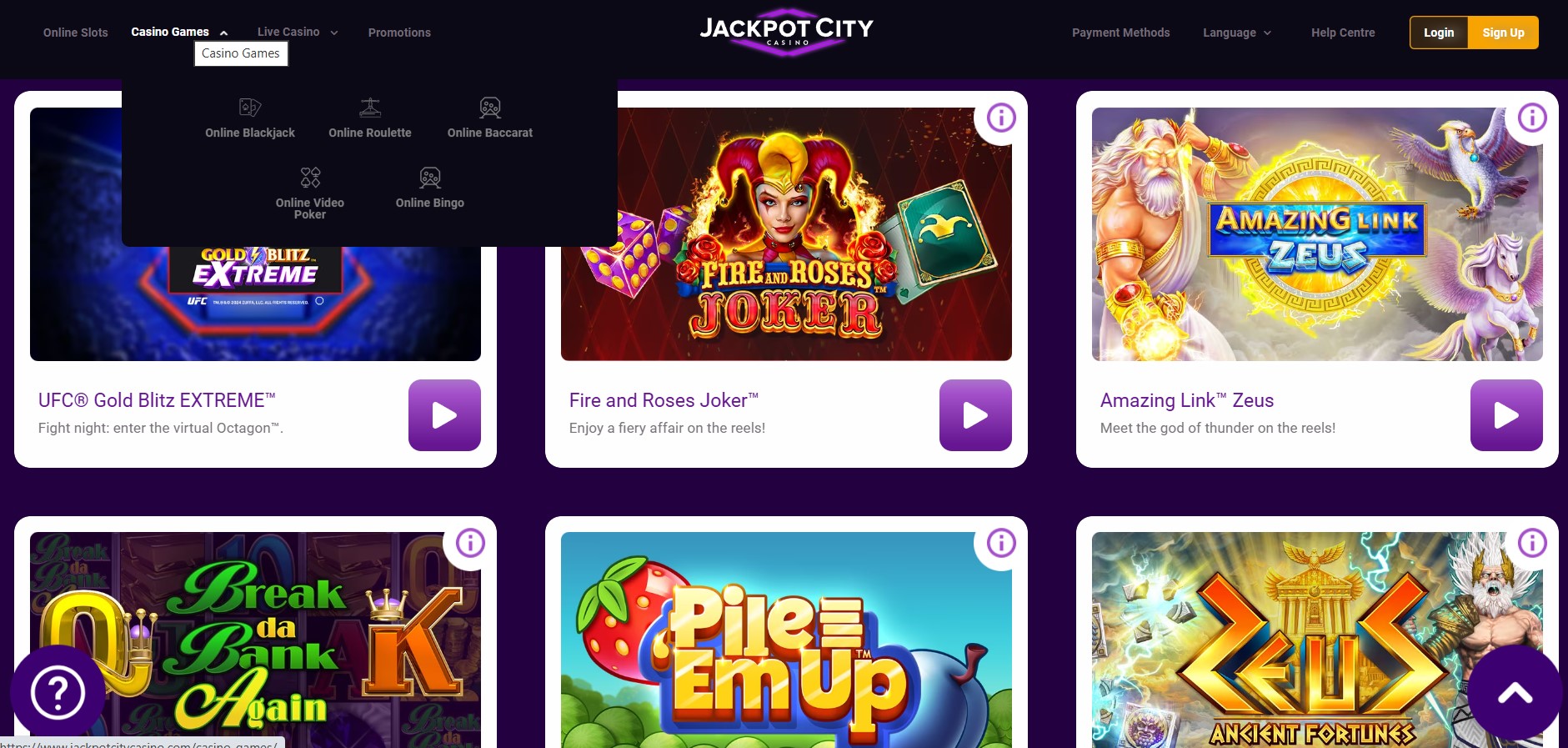
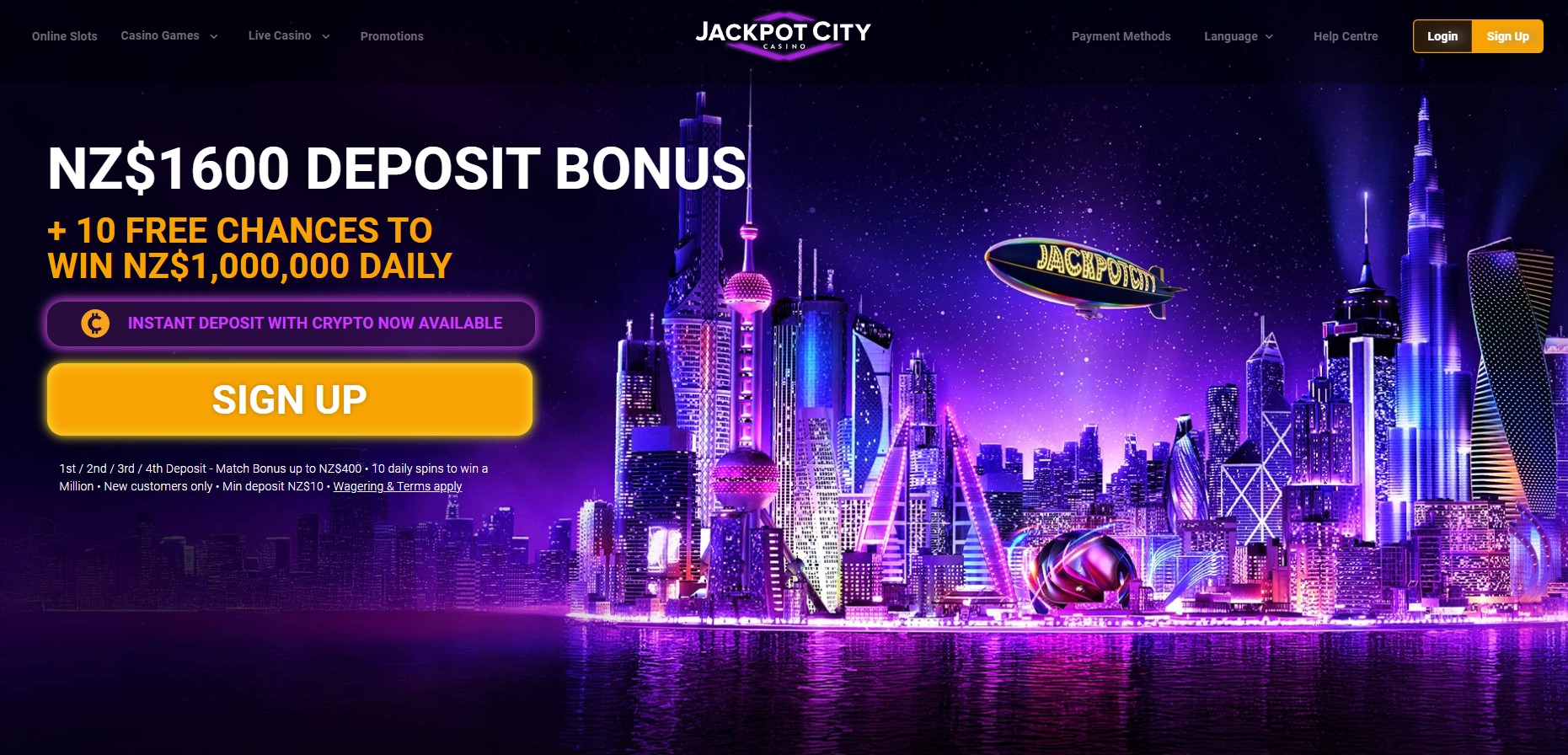
On the cashiers we checked, the recurring methods were Visa and Mastercard, Apple Pay, Google Pay, Skrill, Neteller, Neosurf and paysafecard. Cryptocurrency is patchy rather than absent: Jackpot City advertises instant crypto deposits on its New Zealand landing page, while other cashiers we opened offered none, so check the cashier of the specific brand rather than trusting a crypto casino list. POLi, long the familiar New Zealand bank transfer option, still operates here for general online payments through bank APIs, but reporting indicates it left online gambling during 2026. We have not been able to confirm a live gambling cashier still offering it.
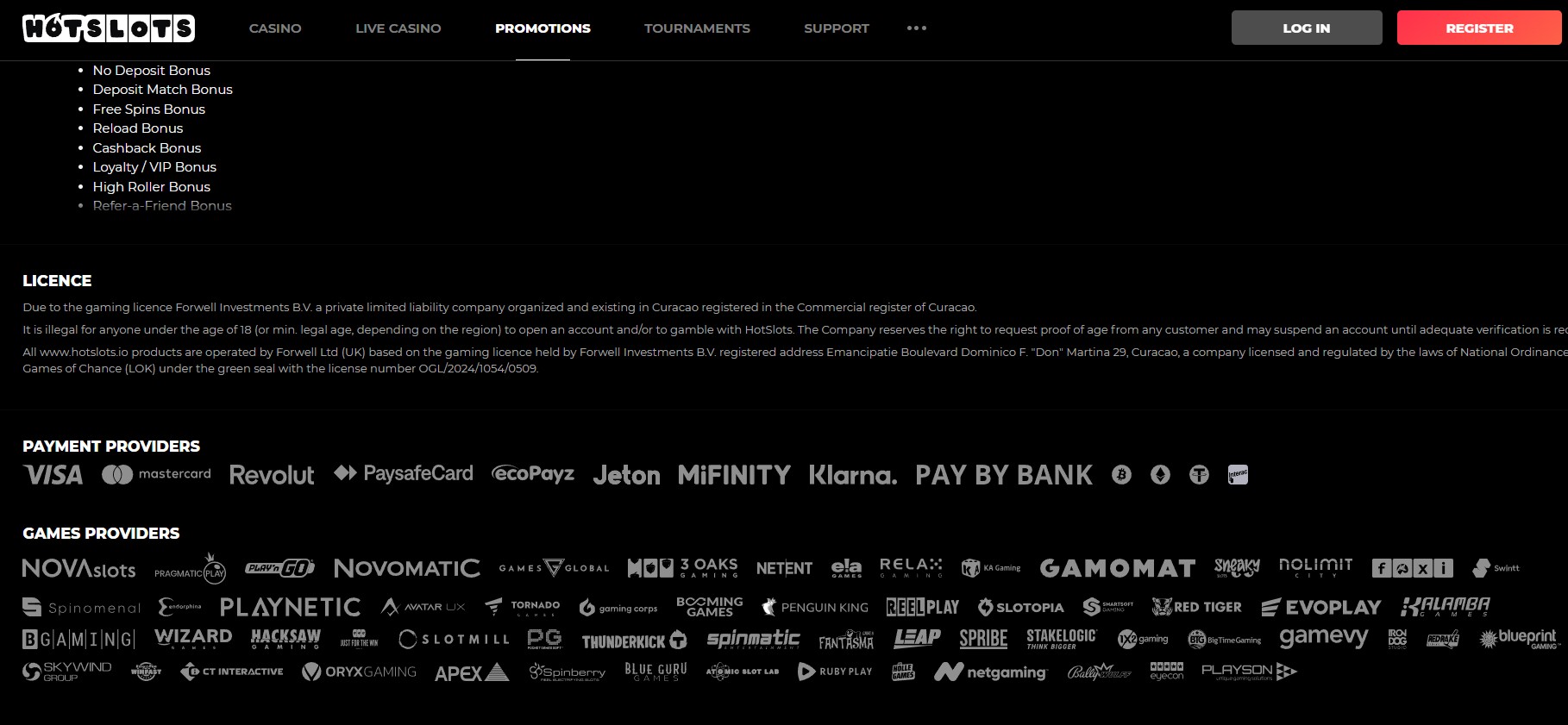
The more useful thing to check is which methods can actually pay you back, because the two lists are not the same. Spin Casino publishes the split openly, and on its own payment methods page Mastercard, Google Pay and Apple Pay are marked for deposits only, while Swift is marked for withdrawals only. Visa carries both, with a stated withdrawal timeframe of 1 to 3 business days. Depositing by a method that cannot send money back is the most common reason a payout ends up split or delayed. We go through this in detail on fast withdrawal casinos.
Two habits are worth more than choosing the right logo. Withdraw to the same method you deposited with wherever possible, because most operators require it and the ones that do not will often split the payment as we saw at SkyCity. And complete identity verification before you have a balance you want, not at the moment you request it, since that is where the waiting actually happens.
Are winnings taxed in New Zealand?
For recreational play, no. Inland Revenue treats gambling winnings as a windfall rather than income, so a person who plays for entertainment does not declare them. The position can change for someone whose gambling is organised and systematic enough to look like a business, which is a question of fact rather than a threshold amount. This is general information rather than tax advice, and anyone whose play is substantial or regular should get their own advice.
Separately, the 16 percent duty described above is paid by the licensed operator on its profits. It is not deducted from a player’s withdrawal.
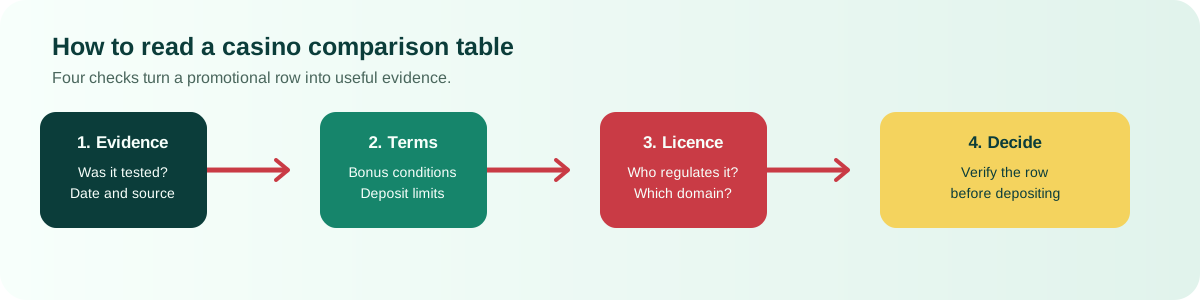
How to read a casino comparison table
Most pages answering this search open with a numbered list of casinos, ordered as though the order meant something. Two things are worth knowing before you treat any such table, including ours, as a recommendation.
The first is evidence. We have completed full deposit and withdrawal tests at two operators. Every other entry is an operator listing with the offer as the operator states it, not a verdict from us. Our review method does not allow a score based on marketing material, so where there is no recorded test there is no score. As more tests are completed, the scores will appear here and each one will name the observation behind it.

The second is the regulatory position, which applies to every site in this market and which we would rather state than leave out. Advertising unlicensed online casino gambling has been prohibited in New Zealand since 1 May 2026, and DIA has said that because there are no licensed operators here, affiliate pages promoting the availability of unlicensed casinos to New Zealanders are unlawful. The Act defines advertising broadly enough to cover any communication that notifies availability or encourages participation, and the penalties reach NZD 5 million. This is unresolved across the whole New Zealand affiliate market until the first licences are granted, and anyone telling you otherwise has not read the DIA guidance.
So treat a comparison table as a starting point and the five minute check below as the actual decision. An offer in a table is a claim by the operator. The footer, the licence seal and the terms are the parts you can verify yourself.
If gambling is not staying fun
No review predicts a result, and no system, pattern or game that seems overdue changes the odds. Chasing a loss is not a way to recover it. If play is getting harder to control, use the deposit and loss limits in your account, take a time out, or use self exclusion at every operator you have an account with, remembering that there is no shared register yet.
Free, confidential help is available in New Zealand 24 hours a day from Gambling Helpline Aotearoa, run by Whakarongorau Aotearoa.
- Gambling Helpline: 0800 654 655, or free text 8006
- Māori Gambling Helpline: 0800 654 656
- Pasifika Gambling Helpline: 0800 654 657
- Debt Gambling Helpline: 0800 654 658
- Youth Gambling Helpline: 0800 654 659
Web chat and service information are available from the Gambling Helpline and Safer Gambling Aotearoa. You must be 18 or over to gamble.
Questions we get asked
Is it legal to play at an online casino from New Zealand?
Yes. DIA states that it is legal for New Zealanders to gamble with providers operating in the transitional market, meaning those that were already serving New Zealand customers on 1 May 2026. It also warns that the activity remains unregulated until the licensed market exists, so there are no guarantees of player safety.
Which online casinos are licensed in New Zealand?
None, as at 24 September 2026. The auction that decides who may apply begins on 29 September 2026, applications are due by 1 December 2026, and DIA expects to grant the first licences during the first half of 2027. Any site claiming to be New Zealand licensed today is wrong.
What happens on 1 December 2026?
Any provider that has not lodged a licence application must stop offering online casino gambling to people in New Zealand. Providers that have applied may keep operating, without advertising, until their application is decided or until 1 June 2027, whichever comes first.
How many licences will there be?
Up to 15, each covering a single brand, for up to three years with one renewal of up to five further years. No single entity may hold significant influence over more than three licences.
Is the minimum age 18 or 20?
18. Under the licensing rules an operator must be satisfied the customer is at least 18 years old, alongside verifying that they are who they say they are.
Do I pay tax on my winnings?
Not as a recreational player. Inland Revenue treats winnings as a windfall rather than income. Someone whose gambling is organised enough to amount to a business is in a different position and should take their own advice.
Can I use a credit card?
At some transitional sites today, yes. Once operators are licensed, no: payment methods reasonably detectable as involving credit contracts, which DIA confirms covers credit cards and buy now pay later, are prohibited. Debit cards are not affected.
Does an MGA or Curacao licence protect me in New Zealand?
Not under New Zealand law. It means the operator answers to that overseas regulator, and on a Malta licence it also gives you a named dispute resolution body. Neither makes the operator accountable to DIA, and neither is evidence of fast payouts or fair bonus terms.
How do I know two casinos are not the same company?
Read the footer for the legal entity and licence number and compare them. We found seven brands sharing one Guernsey company and one Kahnawake licence, none of which disclosed the others. On a Malta licence, the regulator’s seal lists every website the licence covers.
Is a comparison table on this site a ranking?
No. It lists operators and the offers as those operators state them. A score on this site comes only from a recorded test, and so far two brands have one. Where we have not tested a category we mark it Not tested and publish no score rather than guessing.
Sources
- Department of Internal Affairs, Online Casino Gambling, including its published Q&As, version 3.0, 17 July 2026
- Online Casino Gambling Act 2026
- Malta Gaming Authority dynamic seal of authorisation, read 24 September 2026
- Operator footers and terms at skycitycasino.com, jackpotcitycasino.com, spincasino.com, rubyfortune.com, royalvegascasino.com, gamingclub.com, platinumplay.com and luckynuggetcasino.com, read 24 September 2026
- Gambling Helpline Aotearoa and Safer Gambling Aotearoa

About the author: Matt Donaldson
Editor and casino reviewer, Christchurch
I check the player journey, including the terms, games, support and account controls. A payment result appears as first-hand evidence only when it is in the recorded test.
Each category score is based on what was observed. If a feature was not checked, it is marked Not tested.
Read Matt's profileClear reviews for New Zealand readers, built from recorded observations and updated when the source or market status changes.
- Evidence before adjectives — each claim is tied to an action, source, date, device, amount or operator reply recorded during the review.
- Four categories kept separate — Player Safety & Trust, Games & Usability, Bonuses & Terms, and Banking & Withdrawals are assessed on their own evidence.
- Honest scores — whole points from 1 to 5 only. When a category was not checked directly, it is marked Not tested.
- New Zealand status checked — access, transitional permission, an application and an issued DIA licence are described as different things.
- Updates stay visible — time-sensitive terms and regulatory claims are checked again, and confirmed errors are corrected.
